*ADULT DANCE *BALLET *BARRE *BOX AEROBICS *CARDIO DRUMMING *CHAIR YOGA *CIRCUIT *COMPETITIVE TEAMS * CONTEMPORARY *DRAMA *KINDER DANCE *GENTLE STRETCH *HIP HOP *HIP HOP DANCE FITNESS *JAZZ * MOBILITY* MUSICAL THEATER * POWERHOUSE DANCE *P90X *PARENT & ME *PRESCHOOL *PUNCH & CRUNCH *RENEGADE HIIT *RIPPED *SENSORY SATURDAYS *STRIKE *STRONG *TABATA *TAP * TUMBLING *YOGA *ZUMBA
.jpg)
LAKESHORE ACADEMY OF THE ARTS
DANCE & F ITNESS CLASSES
RETAIL BOUTIQUE
EST. 1996
At Lakeshore Academy of the Arts, Dance & Fitness It is a priority of the organziation to maintain a dance company, community and staff that directly reflect the diverse
population of Our Country and of West Michigan. We aim to cultivate an equally diverse audience through community engagement.

Located in the heart of North Muskegon, Lakeshore Academy of the Arts offers
dance classes for ages 2.5 - Adult and Fitness Classes for ages 16 - Adult!
We have a full service retail store for all of your dance, yoga and fitness needs!
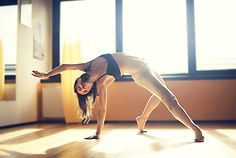
Hours of Operation:
Mon - Thurs. : 8:00AM - 11:00PM
3:30PM - 9:00PM
Fridays: 8:00-11:00PM
Saturdays: 9:00AM-11:00AM
Sundays: CLOSED
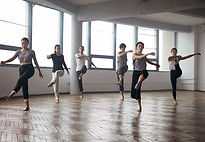
To determine if your child is ready for dance classes, consider the following signs:
-
Interest in Dance: They show enthusiasm for dancing at home or during playtime.
-
Age Appropriateness: They are within the recommended age range for beginner classes (usually 3-5 years).
-
Attention Span: They can focus and follow instructions for short periods.
-
Physical Coordination: They demonstrate basic motor skills and coordination.
-
Social Readiness: They are comfortable interacting with peers and following a teacher's guidance.
Emotional Readiness: They can handle being away from parents for the duration of the class.
2026-2027 DANCE SCHEDULE - ONLINE REGISTRATION NOW OPEN!

This Schedule Subject to change. Minimum amount of students per class is 5.
Please visit the REGISTRATION page.


LAKESHORE DANCE COMPETIION TEAM 2026-2027
Competition Team Policies
Lakeshore Academy is committed to cultivating a safe and positive environment for the Competition Team, enabling all members to grow both as dancers and individuals. Our carefully crafted policies guarantee that each team member enjoys a supportive and enriching dance experience.
While there are thousands of competitions across the country every year, we intentionally choose events that celebrate all dancers, are led by professional and recognized organizations, and who have a great reputation for thoughtful feedback to dancers and smooth competition operations. The competitions may change from year to year as we evaluate the needs of our dancers and studio size.
Dance competitions are important because they provide multiple benefits for dancers including TEAM BUILDING and a sense of COMMUNITY!
-
Performance Opportunities: Dancers gain valuable experience by performing on stage.
-
Skill Enhancement: Competitions help improve dance skills.
-
Confidence Building: Dancers build self-confidence and stage presence.
-
Networking and Industry Connections: Competitions allow dancers to connect with industry professionals and fellow dancers.
Goal Setting and Achievement: Competing helps dancers set and achieve goals.
Dance studio competition team requirements typically include
mandatory technical training (ballet, jazz, turns), 2–4 regional competitions, and summer intensive rehearsals. Dancers must show high commitment, follow strict dress codes, maintain high attendance, and display strong teamwork, usually requiring at least one year of prior experience.
Key Requirements & Commitments
-
Training & Technique: Weekly attendance at required classes (e.g., ballet, technique, and team-specific choreography) is mandatory. Some studios require dancers to be at a specific level before joining.
-
Time Commitment: Competition dancers often attend mandatory summer intensives or prep workshops to prepare for the season.
-
Competition Attendance: Dancers must attend all regional competitions (typically 3–4 weekends between Feb-May) and, for some, national competitions.
-
Cost & Fees: Members are responsible for competition entry fees, choreography fees, costume costs, and travel expenses.
-
Attendance Policy: Strict rules often apply, such as no missed classes in the weeks leading up to a competition or recital.
-
Appearance & Gear: Dancers must wear approved studio attire to rehearsals, maintain a neat appearance (hair back), and purchase team gear (jackets, specific shoes).
Audition & Team Expectations
-
Auditions: Dancers are chosen based on technical skill in leaps and turns, flexibility, and potential.
-
Behavior: Positive sportsmanship, respect for teachers, and a dedicated work ethic are mandatory to remain on the team.
-
Parental Commitment: Parents are often required to support dancers with logistics, travel, and attend information meetings.
-
Solos/Duos/Trios: These are often by invitation or audition only and require extra fees and rehearsal time.
-
Conventions: Many teams require participation in dance conventions for training, often requiring parental accompaniment.
Medical Authorization Form
L.A.A. COMPETITION TEAM CALENDAR
July 16: Fall Schedule and Online Registration Begins.
July 13: Company Review & Conditioning 5:00-7:00PM
July 16: Competition Schedule Arrives for 2027
August 4: Company Review & Conditioning. 5:00-7:00PM
September 2: Conditioning, Review, Contracts & Medical Forms Due
September 8: Classes Begin
October 23: SOLOS/DUETS/TRIOS REHEARSAL 4:30-5:30PM
ALL COMPANY REHEARSAL 5:30-7:00PM
November 20: SOLOS/DUETS/TRIOS DRESS REHEARSAL
4:00-5:30PM
ALL COMPANY DRESS REHEARSAL 5:30-7:00PM
November 21: COMPANY SHOWCASE 4:00PM Mona Shores H.S.
TICKETS: $18.00 EACH
December 15: Fees due for Dance Makers INC
Competition Schedules
We won't know the exact performance times for each dance team, solo, or group until one or two weeks before the competition. Sometimes, changes happen the week of the event due to studios dropping out or joining last minute. Therefore, dancers should block off the entire weekend of a competition to avoid frustration or scheduling issues.
Even at well-run competitions, it's common for dances to run ahead of schedule. This is good news for those performing later, as it shortens the day, but can be tricky for guests driving in to cheer. Please monitor the Facebook group and team texts for updates on times. The competition won't wait for late arrivals, so it's best to anticipate an early arrival for everyone.
Call Times
Group Dances: 2 Hours prior to performance time
Solos: 1.5 Hours prior to performance time
(solos tend to run early)
If your dancer's group or solo is scheduled within the first two hours of the competition, please have them arrive when the doors open.
Dancers must arrive in hair and make-up with their LAA jacket on - they should be ready to warm up and put their costumes on when arriving.

DYNAMICLAKESHORE.ORG
DYNAMIC LAKESHORE
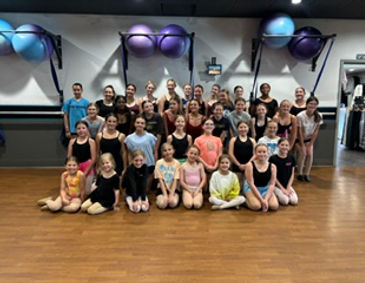
Dynamic Lakeshore, a dedicated non-profit, supports young dancers from elementary to high school at Lakeshore Academy of the Arts. We aim to alleviate the financial costs of costumes, competitions, and travel fees. by fostering a love for dance, we aim to inspire the next generation of artists. Together, let's make a profound impact in the dance community of North Muskegon.
Team Conduct
Parents and especially dancers should do their best to attend as many solos and group dances as they can on competition weekend. They should be in the audience cheering their team on whenever they can. Dancers should plan to attend and cheer on all soloists who are on their team. We want L.A.A. Dance Team to set a great example for all of the other teams at competition weekends! Please also keep in mind that this is dance...it is supposed to be fun and the students deserve a great weekend to perform and HAVE FUN after all of their hard work.
Students must conduct themselves appropriately and maintain good sportsmanship throughout the competition. Students are expected to remain humble and supportive throughout the event. Dancers must act according to our Code of Conduct.
At the studio:
LAA DANCE TEAM Members will wear a leotard and tights of any color for all classes at all times. Leggings, Shorts or Skirts can be added accordingly. *No Bare Legs. Each dancer will have Ballet, Tap, Jazz or Hip Hop & Contemporary (excludes Sparks).
Once Competition Costumes and Shoes are determined (by 9/1/27), Team Members should have a set of classroom shoes and competition shoes to be worn only at compositions and Performances. We ask that you purchase shoes from LAA as they need to match. All LAA Dance Team Members receive a 20% discount off all retail.

What to Expect at Dance Competitions
Whether you're a seasoned professional, an eager beginner, or someone with a passing interest in the world of dance, understanding the dynamics of dance competitions can be both fascinating and informative. These events range from small, intimate gatherings to grand, arena-filled spectacles, each offering a unique atmosphere. Every competition is different. Some are really small and might even be held in a high school gym, while others take place in large convention centers or arenas.
Arriving at the dance competition
Make sure to arrive at the competition venue two hours before your group performance time. For solos, aim for 1.5 hours before your performance as they usually run earlier. If your dancer's group or solo is scheduled within the first two hours, have them arrive when the doors open.
Once you're there, you'll find a dedicated changing room or team room for each competition. That's where dancers can stretch, change costumes, and hang out throughout the event. It's also where you'll meet up with your team and leave your dance bag for the day. Coaches will do a headcount, lead the team in guided stretches, and take them backstage. As for parents, you can chill in the audience area, cheer, clap, and enjoy the performances!
Make sure dancers have their hair and makeup done, and don't forget to wear their team jackets when you arrive. They should be all set to warm up and put on their costumes right away.
During the competition
During competitions, which are typically held at high schools, there are often long breaks between dances. Parents usually reserve a table or two for the studio and spend their downtime there, while not being in the auditorium supporting and cheering on the studio's teams.
Dancers are expected to utilize the time before their performances for warming up and practicing their dances. Additionally, they are encouraged to be present in the audience, showing their support for their fellow teammates as they perform throughout the entire weekend.
After their performances, dancers have the freedom to change into comfortable attire, including studio spirit wear and cozy clothing. However, during the awards ceremony, they are required to wear their team competition jacket on stage, although their costumes are not necessary. By implementing these guidelines, the dancers can make the most of their competition experience while maintaining a sense of unity and camaraderie.
Awards
Dancers compete in group dances within different levels and age groups. A panel of three judges observes the performances, providing corrections and recording them via voice memos. The team can review these recordings later. Each judge awards a maximum of 100 points, resulting in a total score out of 300. This feedback helps dancers identify areas for improvement. The following week, the team gathers to watch the judges' critiques and discuss the scores. Coaches guide applying the feedback.
After each category, there is an awards ceremony. Dancers sit on stage with their team, and one member accepts any awards won by the team. Each dance receives an award based on its score and is ranked among others in the same category and age group. Specific awards and rules vary for each competition, outlined on a dedicated page with detailed descriptions.
Following You can leave after your final awards ceremony - but you are encouraged to stay and cheer on any soloists or additional performances from your studio.
Watching in the audience
Parents and, specifically, dancers should make a concerted effort to attend as many solos and group dances as possible during the competition weekend. Their presence in the audience, cheering on their team, is crucial. Dancers should prioritize attending and supporting all soloists from their teams.
It is of utmost importance to be mindful of what is said during competitions. Often, competition companies have staff members present in the audience, and you may unknowingly be sitting next to a judge. Making unsportsmanlike comments in the audience, dressing rooms, or anywhere backstage can hinder students from receiving awards. Judges are on the lookout for studios that set a positive example for others.
Enjoy the competition weekend
Additionally, it is essential to remember that dance is meant to be enjoyable, and after all their hard work, students deserve to have a fantastic weekend of performance and fun. Elite Dance Force students are expected to conduct themselves appropriately and demonstrate good sportsmanship throughout the competition. They should remain humble and supportive at all times during the event. Dancers must adhere to our Code of Conduct.
A dance competition is not just about the dances performed on stage, but the camaraderie and sportsmanship exhibited by dancers, teachers, and parents alike. It's a weekend filled with learning, growth, and most importantly, joy. The spirit of competition helps dancers strive for excellence, but it is the shared love for dance that truly binds them together. Remember, the goal isn't just to dance better than the competition, but to dance better than you did yesterday.
5 things every dance parent should know
Being a dance parent is a deep commitment that goes beyond just shuttling your child to and from dance lessons. It entails immersing yourself in the intricate realm of dance and offering the essential support for your child to flourish. Here are five things that every dance parent should bear in mind as they begin their dance journey:
-
Encouragement is Key
As a dance parent, it is crucial to understand that your role is to foster encouragement and support, rather than pushing your child beyond their limits. Allow them to relish in the joy of dance and progress at their own pace. Celebrate their accomplishments, stand by them during moments of disappointment, and refrain from comparing them to others.
-
Preparation is Essential
Make sure that your child is adequately prepared for each class by ensuring they have the appropriate attire, a water bottle, their hair tied back, and by emphasizing punctuality. This helps instill discipline and respect for the art form and their fellow dancers.
-
Be Ready for the Commitment
Understand that dance is a significant commitment. It encompasses not only the weekly classes but also practices, recitals, and potentially competitions. Your child will rely on your unwavering support and understanding, particularly when it comes to balancing schoolwork and dance.
-
Respect the Dance Teacher
Place your trust in the expertise and skills of the dance teacher. They possess years of experience and training that have shaped their abilities. Share any concerns you may have respectfully, keeping in mind that they also want what is best for your child.
-
Encourage a Balanced Life
It is essential to ensure that your child has ample time for homework, socializing with friends, and relaxation. Striking a balance between dance and other aspects of life contributes positively to their overall dance experience.
In the end, being a dance parent is an incredibly rewarding journey, filled with countless memorable moments that mark your child's growth and achievements. Embrace and celebrate the entirety of this journey, not solely the destination. As a parent, you have the privilege of witnessing your child's transformation and growth through dance. So keep supporting them, encouraging them, and most importantly, enjoy the journey together!
Dealing with disappointment in dance
Disappointment is an inevitable part of life, and in the world of dance, it can hit even harder. During competitions, only one dancer emerges as the winner, leaving the rest feeling disheartened for not reaching the top. However, it's crucial to understand that these results don't define a dancer's worth. Every performance, regardless of the outcome, presents an opportunity for growth and learning. It is in these challenging moments that dancers develop resilience, ultimately leading them to achieve true greatness.
When faced with disappointment, it's easy to dwell on negative emotions. To navigate through such situations, here are four steps that every dancer can take:
-
Embrace your emotions: Take a moment to fully acknowledge and understand your feelings of self-disappointment. Show empathy towards yourself and validate these emotions.
-
View disappointment as a natural part of life: Remember, even the most exceptional dancers experience disappointment. Share stories of renowned dancers who have encountered setbacks and demonstrate how they utilized these experiences to grow and develop resilience.
-
Reframe your mindset: Instead of dwelling on the negatives, shift your perspective towards growth. Setbacks serve as valuable learning experiences for personal and artistic progress.
-
Focus on new accomplishments: After experiencing disappointment, it's natural to question goals and dwell on negative emotions. Instead, redirect your focus towards new aspirations and fresh opportunities. Setting new goals and embracing new challenges will reignite your sense of purpose and motivation, paving the way for future accomplishments and personal fulfillment.
Dealing with disappointment is an integral part of the dance journey, as it is in life. Rather than perceiving it as failure or not being good enough, it's crucial to see each disappointment as an opportunity for growth and resilience. By being emotionally aware, recognizing that disappointment is a shared experience, adjusting self-talk, and focusing on new achievements, dancers can gracefully navigate the ups and downs of their dance journey with determination. Remember, every dance, every step, every stumble, and every rise adds to your unique dance story. It's not about how many times you fall, but how many times you rise, ready to dance again.